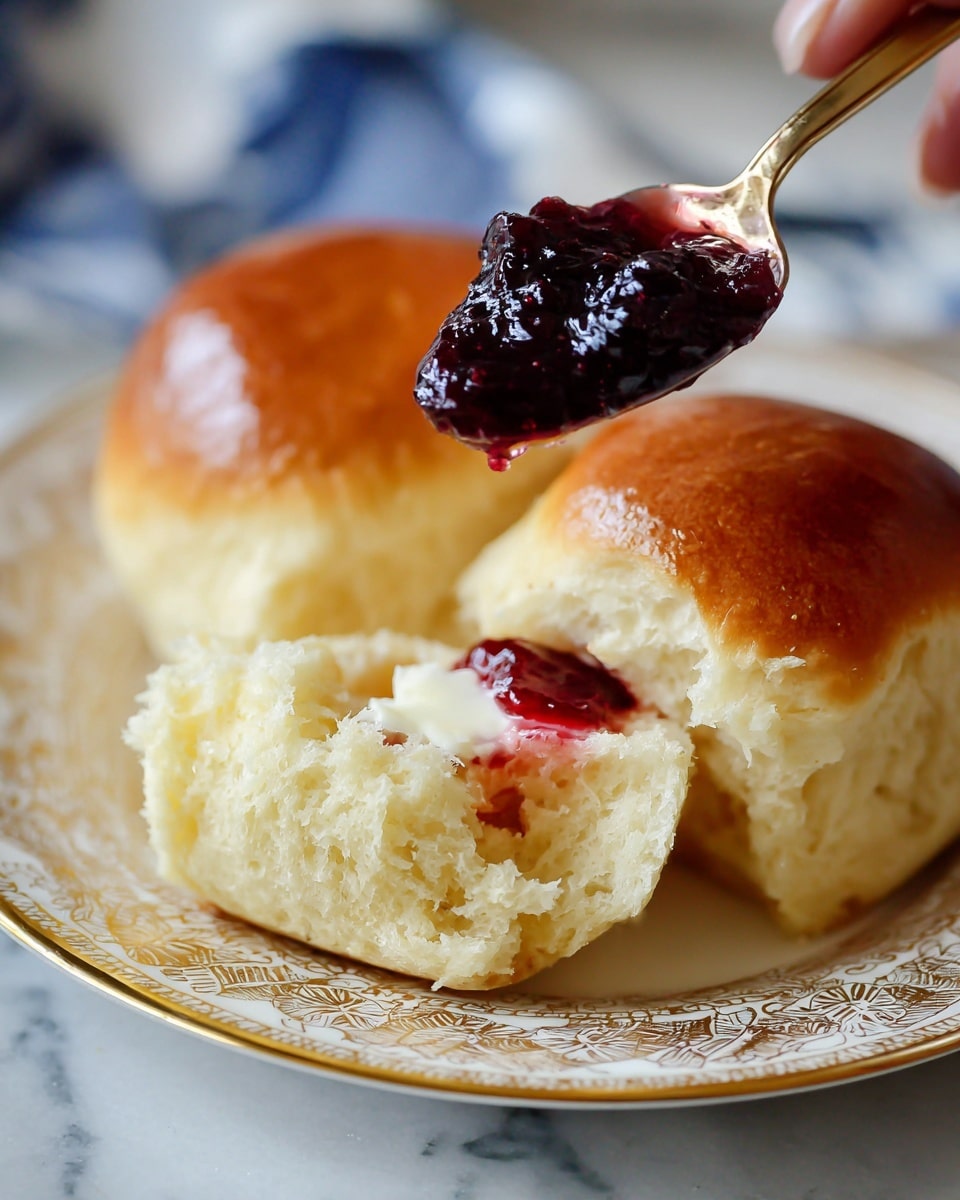
Secrets to Unbelievably Soft & Best Dinner Rolls
A basket of warm, irresistibly soft dinner rolls can transform any meal into a special occasion. There's nothing quite like tearing into a pillowy, golden-brown roll, its delicate crumb melting in your mouth. But achieving this level of perfection – creating what many would call the best dinner rolls – often feels like a culinary mystery. Is it a secret ingredient? A magical touch? In truth, it's a combination of understanding key ingredients, mastering fundamental techniques, and applying a few clever tricks. Forget dense, dry, or crumbly rolls; we're about to unlock the secrets to truly unbelievably soft and delicious homemade dinner rolls, ensuring your baking endeavors always result in rave reviews.The Foundation of Fluffy: Ingredients That Matter
The journey to unbelievably soft dinner rolls begins long before you even touch a mixing bowl. The quality and type of your ingredients play a paramount role in the final texture and flavor. Selecting the right components is the first crucial step towards achieving the best dinner rolls.-
Flour Power: All-Purpose vs. Bread Flour
While many recipes call for all-purpose flour, understanding its role is key. All-purpose flour generally has a protein content of 10-12%, which is sufficient for good gluten development. For an even chewier, more substantial, yet still soft roll, some bakers opt for bread flour (12-14% protein). The higher protein content contributes to stronger gluten, which traps more air, resulting in a lighter, airier crumb. For the ultimate tenderness, ensure your flour is fresh and consider sifting it to aerate it and prevent lumps, allowing for smoother dough integration.
-
Yeast: The Breath of Life
Yeast is the living organism responsible for the rise and characteristic flavor of your rolls. Whether you use active dry yeast or instant yeast, freshness is non-negotiable. Stale yeast means flat, dense rolls. Always check the expiration date and, if unsure, "proof" active dry yeast by dissolving it in warm liquid (usually milk or water) with a pinch of sugar. If it foams within 5-10 minutes, it's good to go! Instant yeast can often be mixed directly with dry ingredients, but its vigor is still crucial.
-
Dairy & Fat: The Tenderizers
- Milk: Using whole milk instead of water adds richness, flavor, and contributes significantly to a tender crumb. The fat and sugars in milk inhibit gluten formation slightly, leading to a softer texture. Scalding the milk (heating it to just simmering and then cooling) was traditionally done to neutralize enzymes that could hinder gluten, though modern pasteurization largely makes this unnecessary for yeast activity, it can still enhance flavor.
- Butter: Unsalted butter, softened to room temperature, is essential. Butter not only imparts incredible flavor but also shortens gluten strands, resulting in a remarkably tender, melt-in-your-mouth texture. Using it softened ensures it incorporates evenly into the dough.
-
Sugar & Salt: The Balancers
- Sugar: Beyond sweetness, sugar provides food for the yeast, helping it activate and produce carbon dioxide more effectively. It also aids in browning the crust and contributes to the dough's overall softness by attracting and holding moisture.
- Salt: Crucial for flavor, salt also regulates yeast activity, preventing the dough from rising too quickly. More importantly, it strengthens the gluten structure, giving your rolls a better texture and preventing them from becoming too airy and crumbly.
-
Eggs: For Richness and Structure
A whole egg or just egg yolks add richness, a beautiful golden hue, and contribute to the dough's structure and stability. Eggs act as an emulsifier, binding ingredients together and making the crumb softer and more luxurious. They also help the rolls stay fresh longer.
Mastering the Technique: From Dough to Golden Perfection
Even with the finest ingredients, the true magic in creating the best dinner rolls lies in your technique. Each step, from mixing to baking, plays a critical role in achieving that sought-after soft and airy texture. For an even more detailed guide on the process, you can explore resources like Bake The Best Dinner Rolls: Easy, Fluffy & Perfect.-
The Art of Kneading: Gluten Development
Kneading is where the gluten network develops, providing the structure that traps gas produced by the yeast, allowing your rolls to rise and become airy. Knead thoroughly, whether by hand or stand mixer, until the dough is smooth, elastic, and passes the "windowpane test" (a small piece can be stretched thin enough to see light through without tearing). Under-kneading leads to dense rolls, while over-kneading can toughen the dough, though this is harder to do with enriched doughs.
-
First Rise (Bulk Fermentation): Patience is a Virtue
This initial rise, or bulk fermentation, allows the yeast to work its magic, developing flavor and volume. Place your kneaded dough in a lightly oiled bowl, covered, in a warm, draft-free place until it has doubled in size – usually 1 to 1.5 hours, but this can vary depending on temperature. Don't rush this step; a slow, steady rise yields better flavor and texture. A good rule of thumb is to look for visual cues rather than sticking strictly to time.
-
Gentle Shaping: The Key to Uniformity
Once risen, gently punch down the dough to release gases. Divide the dough into equal portions (using a kitchen scale ensures consistent size and baking time). For classic round rolls, form each piece into a smooth, tight ball. This creates tension on the surface, which helps the rolls hold their shape and achieve a beautiful rise in the oven. Avoid excessive handling or adding too much extra flour during this stage.
-
Second Rise (Proofing): The Final Puff
Arrange your shaped rolls on a baking sheet, giving them enough space to expand. Cover them loosely and let them rise again until visibly puffy and almost doubled in size, typically 30-45 minutes. This final proof is crucial for the rolls' ultimate texture. Under-proofed rolls will be dense; over-proofed rolls can collapse or taste yeasty. Test by gently indenting a roll with your finger: if it springs back slowly, it's ready.
-
Baking Temperature and Time: The Golden Moment
Bake your rolls in a preheated oven at the correct temperature (usually 375-400°F or 190-200°C). The initial blast of heat causes a "oven spring," where the yeast has one last surge of activity. Bake until golden brown on top and the internal temperature reaches 200-210°F (93-99°C). Rotate the pan halfway through baking for even browning. Over-baking is a common culprit for dry rolls, so keep a close eye!
The Secret Weapons: Tips for Unrivaled Tenderness
Beyond ingredients and basic techniques, there are several "secret weapons" that elevate merely good rolls to the best dinner rolls you've ever tasted. These are the nuances that professional bakers employ to achieve that ethereal softness and irresistible appeal. For a deeper dive into what characteristics define truly exceptional rolls, consider reading What Makes the Best Dinner Rolls? Your Ultimate Guide.-
Enriched Doughs: A Softness Superpower
Our focus on milk, butter, and eggs earlier highlighted the concept of an enriched dough. These ingredients, rich in fat and sugar, naturally tenderize the dough by interfering with gluten formation, creating a shorter, more delicate crumb. The higher the fat and sugar content, generally, the softer and more cake-like the texture. This is a fundamental principle for achieving truly soft rolls.
-
Proper Hydration: Not Too Wet, Not Too Dry
The amount of liquid in your dough (its hydration level) significantly impacts softness. A slightly wetter dough, one that is soft and perhaps a little sticky but still manageable, will generally yield a softer, more open crumb. Resist the urge to add too much extra flour during kneading or shaping, as this can quickly lead to dense, dry rolls.
-
The Post-Baking Butter Brush: A Golden Touch
Immediately after removing the hot rolls from the oven, generously brush their tops with melted unsalted butter. The residual heat will absorb the butter, creating an incredibly soft crust and adding an extra layer of rich flavor and shine. This simple step can make a dramatic difference in overall tenderness.
-
Rapid Cooling and Covering: Trapping Moisture
Once brushed with butter, move the rolls to a wire rack to cool slightly. While they are still warm, cover them loosely with a clean kitchen towel. This traps the steam escaping from the rolls, preventing the crust from hardening and helping to keep the interior moist and soft. Avoid letting them cool completely uncovered for too long.
-
Milk or Egg Wash Before Baking: For that Perfect Sheen
Before baking, brush your proofed rolls with an egg wash (beaten egg with a splash of milk or water) or a simple milk wash. This contributes to a beautiful golden-brown crust and a slightly softer exterior. An egg wash will give a deeper, glossier finish, while milk provides a more subtle golden hue.
Troubleshooting Common Dinner Roll Problems
Even seasoned bakers encounter challenges. Understanding common issues can help you diagnose and fix problems, ensuring your next batch of the best dinner rolls is even better.-
Dense, Heavy Rolls:
- Possible Causes: Under-kneading (insufficient gluten development), too much flour added, not enough yeast, old yeast, under-proofing (first or second rise).
- Solution: Ensure proper kneading until elastic, measure flour accurately (preferably by weight), check yeast freshness, allow ample time for both rises in a warm environment.
-
Dry or Crumbly Rolls:
- Possible Causes: Over-baking, too little fat in the recipe, too much flour, insufficient hydration.
- Solution: Use a timer, check for doneness by internal temperature, ensure enough butter/milk, follow hydration levels closely, brush with butter after baking and cover.
-
Flat Rolls or Lack of Rise:
- Possible Causes: Dead/old yeast, water/milk too hot (killing yeast), over-proofing (gas escapes), insufficient kneading (weak structure).
- Solution: Test yeast activity, ensure liquids are lukewarm (105-115°F for active dry, up to 120°F for instant), watch for visual cues during proofing, not just time.
-
Tough, Chewy Rolls:
- Possible Causes: Too much kneading (over-developed gluten in lean doughs), not enough fat/sugar (enriched doughs prevent this often), high protein flour used incorrectly.
- Solution: Balance kneading with a focus on dough elasticity, ensure recipe's fat/sugar content is appropriate, consider using all-purpose flour for a softer crumb if not already.
