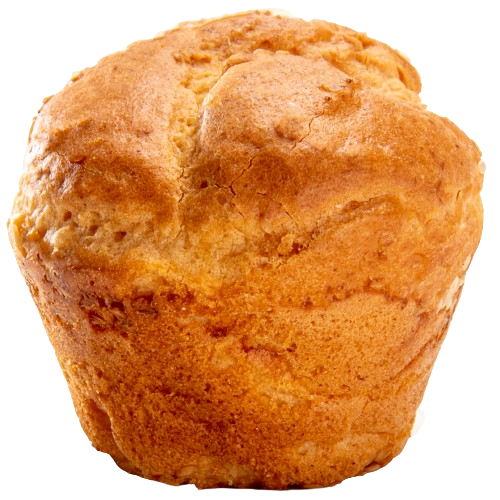
Bake The Best Dinner Rolls: Easy, Fluffy & Perfect
There’s nothing quite like the aroma of freshly baked bread wafting through your home. And when it comes to comfort food, few things can rival the warmth and sheer deliciousness of homemade dinner rolls. Forget the store-bought variety; once you experience the tender crumb, golden crust, and melt-in-your-mouth texture of truly the best dinner rolls, you’ll never go back. They're a staple for holidays, perfect alongside a weeknight meal, or even just for a satisfying snack. Many assume baking bread from scratch is a daunting task, but with the right approach and a few key tips, you’ll be whipping up incredibly fluffy and perfect dinner rolls in no time. This comprehensive guide will walk you through every step, ensuring your success from flour to plate.Why Homemade Dinner Rolls Trump Store-Bought Every Time
The difference between homemade and store-bought dinner rolls is like night and day. While convenience has its place, it simply cannot replicate the superior flavor, texture, and pure satisfaction of rolls baked with love in your own kitchen. Homemade rolls are free from preservatives, often contain higher quality ingredients, and offer an unparalleled freshness that makes every bite a delight. They’re also incredibly versatile; you can tweak the recipe to include herbs, cheeses, or different sweeteners, truly making them your own. Embarking on this baking journey is not just about making bread; it's about creating memories and filling your home with an irresistible warmth that only fresh baking can provide.Essential Ingredients for The Best Dinner Rolls
Achieving the perfect dinner roll starts with understanding the role of each ingredient. Quality matters, but so does technique. Here’s a breakdown of the foundational elements for secrets to unbelievably soft & best dinner rolls:- All-Purpose Flour: While bread flour has a higher protein content, good quality all-purpose flour works wonderfully for fluffy dinner rolls. It provides just enough structure without making the rolls too dense. Sifting your flour before measuring can lead to a lighter texture.
- Active Dry or Instant Yeast: Yeast is the leavening agent that makes your rolls rise. Active dry yeast needs to be proofed in warm liquid (usually water or milk) before mixing, while instant yeast can be added directly to the dry ingredients. Ensure your yeast is fresh; old yeast will result in flat, heavy rolls.
- Warm Milk: Milk adds richness, tenderness, and helps create that desirable soft crumb. Whole milk is often preferred for its fat content, contributing to a more luxurious texture. Make sure it's warmed to the correct temperature (around 105-115°F or 40-46°C) to activate the yeast without killing it.
- Granulated Sugar: Sugar acts as food for the yeast, helping it activate and produce carbon dioxide, which makes the dough rise. It also contributes to the golden-brown crust and a subtle sweetness in the final product.
- Unsalted Butter: Melted butter enriches the dough, making the rolls incredibly tender and flavorful. Using unsalted butter allows you to control the overall saltiness of the recipe. A brush of melted butter after baking adds extra shine and flavor.
- Salt: Essential for flavor balance and also plays a crucial role in controlling yeast activity. Don't omit it, as your rolls will taste bland.
- Egg: (Optional but Recommended) An egg adds extra richness, helps with structure, and contributes to a beautiful golden color and a softer, more luxurious crumb.
Mastering the Dough: Kneading, Rising, and Shaping Secrets
The journey to the best dinner rolls hinges on how you handle the dough. Each stage, from initial mixing to the final proof, is critical.1. Mixing the Dough
Combine your wet and dry ingredients carefully. If using active dry yeast, proof it first. Mix until a shaggy dough forms. At this stage, it might seem a bit sticky, but resist the urge to add too much extra flour. The stickier the dough, the softer the final rolls will be (within reason, of course!).
2. Kneading for Perfection
Kneading develops the gluten, which is essential for the structure and elasticity of your rolls. You can knead by hand or use a stand mixer with a dough hook.
- By Hand: Flour a clean surface lightly. Push the dough away from you with the heels of your hands, fold it back, rotate, and repeat. Continue for 8-10 minutes until the dough is smooth, elastic, and no longer sticky.
- With a Stand Mixer: Attach the dough hook and knead on medium-low speed for 6-8 minutes. The dough should gather around the hook and pull away from the sides of the bowl.
A good test for readiness is the windowpane test: pinch off a small piece of dough and gently stretch it. If you can stretch it thin enough to see light through it without tearing, your gluten is well-developed.
3. The First Rise (Bulk Fermentation)
This is where the magic happens. Place your kneaded dough in a lightly oiled bowl, turning once to coat. Cover with plastic wrap or a damp towel and let it rise in a warm, draft-free place until doubled in size. This usually takes 1 to 1.5 hours, but timing can vary based on your kitchen temperature. Patience here is key; a slow, steady rise yields better flavor and texture.
4. Shaping Your Rolls
Once doubled, gently punch down the dough to release the air. Turn it out onto a lightly floured surface. For consistent rolls, you can weigh the dough and divide it into equal portions (e.g., 2-3 ounces or 60-85 grams per roll). To shape a round roll, take a piece of dough, gently pull the edges under to create a smooth top, then cup your hand over it and roll it in a circular motion against the counter until a tight, smooth ball forms. Arrange the shaped rolls in a greased baking dish, leaving a small space between them – they'll grow!
5. The Second Rise (Proofing)
Cover the shaped rolls again and let them rise in a warm place for another 30-45 minutes, or until they look puffy and have nearly doubled in size. This final rise contributes to their lightness and fluffiness. Be gentle when handling the risen rolls to avoid deflating them.
Baking to Perfection: Achieving that Golden-Brown, Fluffy Finish
Preheat Your Oven
Always preheat your oven thoroughly. For most dinner rolls, a temperature of 375°F (190°C) is ideal. Give it at least 15-20 minutes to reach and stabilize at the desired temperature.
Egg Wash (Optional but Recommended)
For a beautiful golden sheen, brush your risen rolls with an egg wash (one egg beaten with a tablespoon of milk or water) just before baking. This also helps achieve a slightly crisper crust.
Baking Time and Temperature
Bake the rolls for 15-20 minutes, or until they are deeply golden brown on top and sound hollow when tapped on the bottom. If they're browning too quickly, you can loosely tent them with foil for the last few minutes of baking.
Post-Bake Butter Brush
As soon as the rolls come out of the oven, brush them generously with melted butter. This instantly adds incredible flavor, shine, and contributes to that unbelievably soft crust. It's a small step that makes a huge difference in creating truly the best dinner rolls.
Cooling
While it's tempting to tear into them immediately, allow the rolls to cool on a wire rack for at least 10-15 minutes. This allows the internal structure to set, preventing them from becoming gummy. However, they are undeniably best served warm!
Tips & Tricks for Unbeatable Dinner Rolls Every Time
- Don't Over-Flour: A common mistake that leads to dry, dense rolls. Use just enough flour to prevent sticking during kneading and shaping.
- Use a Thermometer: For liquids, a thermometer is your best friend. Too hot, and you kill the yeast; too cold, and it won't activate properly.
- Create a Warm Environment for Rising: If your kitchen is cool, place the dough bowl in an off-oven with the light on, or in a microwave with a cup of hot water.
- Make Ahead: You can prepare the dough the night before. After the first rise, punch it down, shape the rolls, and place them in your baking dish. Cover tightly with plastic wrap and refrigerate. The next day, let them come to room temperature and proof (this will take longer) before baking.
- Freezing: Baked rolls freeze beautifully. Once completely cool, store them in an airtight freezer bag for up to 2-3 months. Reheat in a warm oven.
Baking the best dinner rolls is a rewarding experience that fills your home with incredible aromas and your table with an irresistible treat. By understanding the basics of ingredients, mastering the dough, and paying attention to the baking process, you can achieve fluffy, perfect rolls every single time. Don't be afraid to experiment and make this recipe your own. Your friends and family will thank you, and you'll discover the immense satisfaction that comes from baking delicious bread from scratch.
